No More Chafing: Comfort for Thighs and Skin Folds
Practical ways to prevent chafing on the inner thighs, underarms and under the bust on hot days and long walks, plus the right fabrics and skincare tips.
2 min read

Many women know the burning feeling on the inner thighs after a long walk in a dress on a hot day. Chafing happens when skin repeatedly rubs against skin or fabric, and it is extremely common at every size. It is nothing to be embarrassed about; on the contrary, a few simple steps can prevent it completely. In this guide we’ve gathered practical solutions that let you move comfortably all day.
Where does chafing happen?
It’s most common on the inner thighs, but the underarms, under the bust and skin folds on the stomach are sensitive areas too. Heat, moisture and sweat make it worse, so it becomes more noticeable in summer, during exercise and on days when you’re on your feet for a long time.
Create a barrier
A thin protective layer between skin surfaces greatly reduces friction.
- Anti-chafing sticks: Applied like a deodorant, they leave a slippery, invisible film. Easy to carry in your bag and reapply during the day.
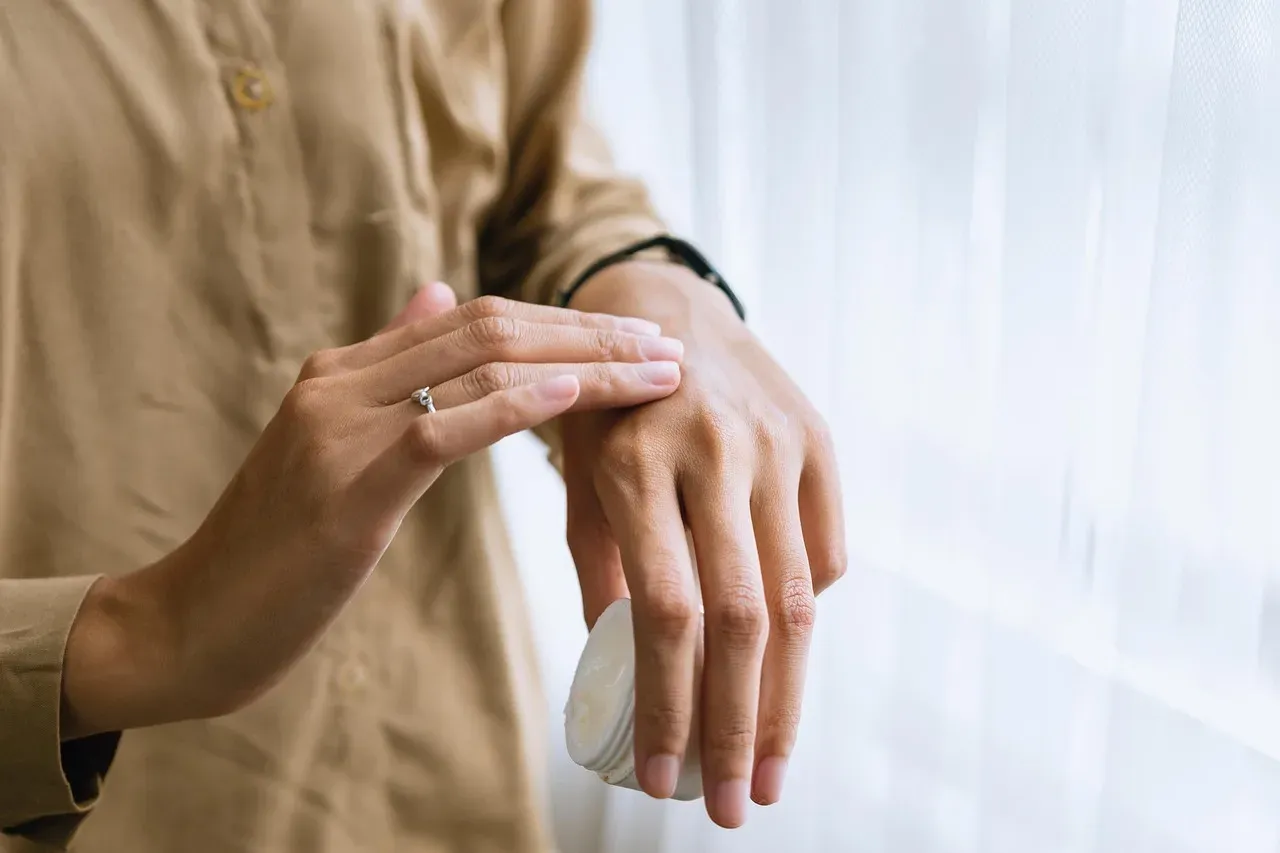
- Balms and creams: Creams with panthenol, zinc oxide or shea butter form a protective layer and soothe the skin.
- Powder: Fragrance-free, starch-based powders absorb moisture and keep skin dry. Helpful for areas that sweat a lot.
The right clothes
What you wear matters as much as the products.
- Anti-chafing shorts: Light shorts with non-slip bands worn under dresses and skirts are the most effective solution. Lace and seamless styles stay invisible under clothes.
- Thigh bands: Thin bands worn on the inner thigh are a lovely alternative if you don’t want shorts.
- Fabric choice: Breathable fabrics such as cotton, linen and modal reduce sweating. For exercise, choose moisture-wicking technical fabrics.
- A well-fitting bra: A bra that supports the underbust without the band digging in prevents chafing there.
Daily care
After showering, pat skin dry with a towel instead of rubbing, and make sure skin folds are completely dry. Moisture is chafing’s best friend. A light, fragrance-free moisturiser keeps the skin barrier strong. Skin can be more sensitive after hair removal, so don’t skip the protective barrier on those days.
When skin is irritated
If chafing has happened, gently cleanse the area with lukewarm water, pat dry and apply a soothing, fragrance-free cream. Wear loose, breathable clothes for a few days to let the area rest. If redness doesn’t fade, or if there are blisters, oozing or intense itching, see a dermatologist; these may need specific treatment.
Comfort is everything
Chafing is no reason to give up your favourite dress, long walks or dancing. With a small stick, light shorts and the right fabrics, you can move freely even on the hottest day of summer.